

דובי מילר
-
הודעות
3,819 -
כאן מאז:
סוג התוכן
פורומים
בלוגים
מאמרי משתמשים
גלריה
חנות
הורדות
לוח שנה
כל מה שפורסם על ידי דובי מילר
-
חלק ראשון:- ג'ים קלארק - 40 שנה לנצחונו האחרון בפורמולה-1
דובי מילר פרסם הודעה בנושא של דובי מילר בתוך ספורט מוטורי
"Other than that, at the British GP, he was having a slight understeer problem at Woodcote, which in those days was a flat-out bit of a big old corner. It was decided to put another eighth of a degree of negative on the outside front wheel. "Straight after the race [which Clark won], I went to Jimmy. He put his hand on my shoulder and the very first words he said to me as he got out of the car were 'Putting that negative on the front was a mistake, take it out again'. The roll bar and that were the two adjustments, basically, made to that car all year." Clark was Mr Versatile. In the early to mid 1960s, there would often be race meetings where Clark would be behind the wheel of a Formula 1 car, a sports car and a saloon car, each driven to victory with great verve and gusto. Similarly, time and time again he would jump into a strange car and almost immediately be fast, often considerably quicker than the regular occupant of the cockpit. At Rouen in 1964 for the French Grand Prix, he was fascinated by the cars assembled for a vintage car race supporting the main event. The Honorable Patrick Lindsay offered Clark the chance to drive his ERA 'Remus' and, within four laps, he had gone faster than Lindsay - indeed, faster than any ERA - had ever been round the track. Former Team Lotus mechanic Bob Sparshott recalls a similar example: "We did a race in Zolder. He had never driven there, and he'd been practising in America [for the 1967 Indy 500]. "He was scheduled to come into Brussels, pick up a rental car and drive out to Zolder, getting there about an hour before practice. Well, they lost his stuff! They couldn't find his helmet bag, he was in a fearful state. "He had to abandon looking for it at the airport and drive to the track without overalls and helmet, and he got there very near to when practice was due to start. "Jean-Pierre Beltoise, who was about the same size, lent him a hat and some overalls. We had a brand-new car [the Lotus 48] and an old car. He said, 'Well, we might as well start off in the new car anyway, seeing as how I don't know the track'. He went out, learnt the circuit and was second quickest in the session!" A few months later, Clark won first time out in the Lotus 49 and Ford Cosworth DFV's respective debuts, in the Dutch Grand Prix, in a car he had never even seen, let alone driven. Allan McCall takes up the story: "Jimmy never got to run the car before we went to Zandvoort because of his tax situation [he was living in exile and unable to make many visits to the UK]. "The very first time he saw and got into that car was at that meeting. He virtually drove the car as Chapman had presented it: roll bars, springs - there might have been a little fiddle around but basically he drove the car exactly as presented." -
חלק ראשון:- ג'ים קלארק - 40 שנה לנצחונו האחרון בפורמולה-1
דובי מילר פרסם הודעה בנושא של דובי מילר בתוך ספורט מוטורי
When Jim Clark roared across the finish line at Kyalami 40 years ago this week to take victory in the South African Grand Prix, it seemed like the resumption of normal service. Another year, another victory and, most likely, another championship. He had just become the most successful Grand Prix driver in history, his total of 25 wins surpassing Fangio's previous benchmark. Few could have even contemplated at this point that he had less than 100 days to live. Clark was an inspiration to the other drivers who raced against him for his smooth driving style, his fair play on the track and the fact that, although he was a double world champion and Indy 500 winner, he showed absolutely no pretensions. Incredibly, Clark had never so much as broken his skin in a racing accident, let alone hurt himself. It really seemed as if he was invincible. Much of this aura of invincibility stemmed from Clark's masterful ability to control and adapt to a wide variety of cars. Alan McCall, who worked with Clark as a mechanic on his Formula 1, Indy and saloon cars, says "All Jimmy ever wanted was a car that repeated. He could adapt himself to anything, provided he knew what the recipe was". Gordon Huckle, McCall's colleague in 1967, agrees: "He was a 'make-do' driver. In practice he'd come in and say 'Oh, so-and-so's not quite right' - perhaps he was just catching his hand on the gear lever or something. After practice you'd say to him 'OK Jim, where do you want it?' and he'd think for a minute and say 'Oh, leave it, I've got used to it'. "Certainly he didn't like the car to be pulled around too much. You'd say to him 'Well, let's have your job list Jim, what do you want done?' and he'd say 'Well, look, if you really want to do something, polish it'." There was also probably an ulterior motive for Clark in keeping any changes and modifications to a minimum to improve both reliability and safety, as Huckle points out: "He used to, on the quiet, keep at Chapman to stop him from doing all the changes he wanted, because Chapman was forever coming up with new ideas and wanting things done." The 1967 season with the Lotus 49 was a good example of Clark's desire not to fiddle with set-up. "That whole year we hardly changed anything - until we went to the Nurburgring," Huckle recalls. "Early in practice, he came in and there was a big discussion with Chapman and it was agreed that maybe a little bit more oversteer wouldn't hurt the car, and so they shifted the rear roll bar up half an inch. Jimmy went out and did a lap, came straight in and said 'Put it back'. -
כן, שוב משהו היסטורי ואפילו מעניין. "אוטוספורט" יוצאים השבוע בסדרת כתבות על ג'ים קלארק, אחד מגדולי נהגי המרוצים שהיו אי פעם ושנהרג במרוץ זניח של פורמולה-2 בגרמניה בשנת 1968. לפני שנהרג הספיק קלארק לנצח ב-1 בינואר 1968 בגראן-פרי של דרום-אפריקה וזה היה ממש לפני 40 שנה. מכיוון שאין לי שום חשק לתרגם את הכתבה הזו או את השתיים שיבואו בעקבותיה...אני מפרסם אותה פה מועתקת . הכתבה נכתבה על ידי - Michael Oliver. תהנו דובי
-
בעקבות הדיון בנושא העמותות לראלי וההתאחדות לספורט מוטורי וכו', מצאתי משהו שאני מקווה שהעתקתי נכון - התנאים הדרושים להכרה בהתאחדות לספורט מוטורי , על פי החוק החדש, שוב מקווה שזה החומר הרלבנטי, לכל מי שמעוניין - תקנות הנהיגה הספורטיבית (תנאים להכרה בהתאחדות), התשס"ז – 2007 בתוקף סמכותי לפי סעיפים 4(ב) ו-33 לחוק הנהיגה הספורטיבית, התשס"ו - 2006 (להלן – החוק), ובאישורה של ועדת החינוך, התרבות והספורט של הכנסת, אני מתקין תקנות אלה: 1. תנאים להכרה בהתאחדות תאגיד ללא מטרת רווח המבקש הכרה בהתאחדות, כאמור בסעיף 4 לחוק (להלן – התאגיד), יוכיח, להנחת דעת השר, כי מתקיימים בו התנאים שלהלן: (1) הוא מייצג את מרבית העוסקים הפעילים בכל תחום מתחומי ענף הנהיגה הספורטיבית שלגביו מתבקשת ההכרה, וכי בשל גודלו והיקף פעילותו, שונותו מתחומים אחרים, בין אם שונות בכלי התחרותי, במסלולי המירוץ או באופי הנהיגה הספורטיבית, מן הראוי להכיר בו כהתאחדות המרכזת והמייצגת את אותו תחום; (2) במסמכי ההתאגדות שלו נקבע כי מטרותיו כוללות את הכוונה לשמש כהתאחדות העוסקת והמרכזת את תחום הנהיגה הספורטיבית שהתאגיד עוסק בו, תוך הגדרת הכלי או הכלים התחרותיים, מסלולי המירוץ, אירועי הנהיגה הספורטיבית, אופי הנהיגה הספורטיבית וכל פרט אחר המאפיין את פעילותו; (3) יש לו היכולת המקצועית למלא את התפקידים המוטלים על התאחדות לפי החוק, לרבות – (א) היכולת להתקין כללי נהיגה ספורטיבית בתחום פעילותו כגון: כללים לעריכת אירועים, וזאת בנוסף לתקנונים הרשמיים הנוהגים בגופים הבין-לאומיים המוכרים ; (ב) היכולת לתת חוות דעת כי מתקיימים לגבי אירוע נהיגה ספורטיבית לפי סעיף 9 לחוק, כללי הנהיגה הספורטיבית החלים בעניינו; (ג) היכולת לתת חוות דעת אם מתקיימים לגבי מסלול מירוץ קבוע, כללי הנהיגה הספורטיבית החלים בעניינו; (ד) היכולת למנות לוועדה המייעצת לפי סעיף 26 לחוק, נציג שהוא בעל מומחיות בתחום שההתאחדות מופקדת עליו, ושאינו עלול להימצא במצב של ניגוד עניינים בין תפקידו כחבר הוועדה לבין עניין אישי או תפקיד אחר שלו; (4) לתאגיד יכולת ארגונית למלא את תפקידיו כהתאחדות, לרבות - כתובת קבועה, הנהלה ומזכירות, ושעות קבלה קבועות, שיאפשרו לו למלא את תפקידיו כהתאחדות, ולתת שירות הולם לחברי ההתאחדות. (5) התאגיד הוא בעל יכולת כספית לממן את השירותים שהוא אמור לתת לפי החוק. 2. המסמכים הנדרשים תאגיד המבקש הכרה כהתאחדות יגיש את בקשתו לפי הטופס שבתוספת ויצרף אליו מסמכים אלה: (1) אישור מרשויות המס כי התאגיד מוכר כמוסד ללא כוונת רווח; (2) מסמכי התאגדות; (3) פירוט מבנה ארגוני ורשימת בעלי התפקידים שבו ונותני השירותים לו, לרבות אלו הנדרשים לצורך מילוי תפקידיו כהתאחדות, לרבות ועדת תקנונים, ועדה טכנית, ועדת בטיחות, מהנדסי רכב וכיוצא בזה; (4) הערכה כספית, שהכין רואה חשבון, של הוצאות הקמתו ושל ניהולו השוטף ופירוט מקורות כספיים שלו, לרבות הכנסות מדמי חבר ותרומות; (5) פירוט קשרים עם גופים וארגונים אחרים, בארץ ובחו"ל, אם ישנם כאלה; (6) פירוט פעילותו בתחום הנהיגה הספורטיבית לגביו הוא מבקש הכרה; (7) כללי הנהיגה הספורטיבית המצויים בתאגיד, אם ישנם כאלה; ( כל מסמך אחר שידרוש השר. 3. ביטול הכרה השר רשאי לבטל את ההכרה, בכל תחום מתחומי ענף הנהיגה הספורטיבית, לאחר שנתן הזדמנות לתאגיד להשמיע את טענותיו, אם סבר כי בתאגיד פסקו מלהתקיים התנאים שבתקנה 1, כולם או מקצתם. תוספת (תקנה 2) בקשה להכרה כהתאחדות נהיגה ספורטיבית לפי תקנות הנהיגה הספורטיבית (תנאים להכרה בהתאחדות), התשס"ז - 2007 א. פרטים כלליים: 1. שם התאגיד: 2. מספר תאגיד: 3. כתובת התאגיד: 4. סוג התאגדות: 5. תאריך התאגדות: 6. אישור מלכ"ר מרשויות המס מיום __________ 7. רשימת חברי דירקטוריון / ועד עמותה: חב ר דירקטוריון / ועד מיום ת.ז. שם 8. מטרות התאגיד כפי שהן מופיעות במסמכי ההתאגדות: ב. התחום המבוקש: 9. תחום הנהיגה הספורטיבית שלגביו מתבקשת ההכרה: 10. הנימוקים להכרה בתאגיד כהתאחדות המייצגת את מרבית העוסקים הפעילים בכל תחום מתחומי ענף הנהיגה הספורטיבית שלגביו מתבקשת ההכרה, בין בשל גודלו והיקף פעילותו, שונותו מתחומים אחרים, בין אם שונות בכלי התחרותי, במסלולי המירוץ או באופי הנהיגה הספורטיבית או מכל סיבה אחרת- ג. יכולת מקצועית: 11. פירוט הנתונים המלמדים על יכולת להתקין כללי נהיגה ספורטיבית – 12. כללי הנהיגה הספורטיבית שנקבעו בתאגיד 13. האם יש לתאגיד יכולת לתת חוות דעת כי מתקיימים לגבי אירוע נהיגה ספורטיבית לפי סעיף 9 לחוק, כללי הנהיגה הספורטיבית החלים בעניינו (יש לפרט) – 14. האם יש לתאגיד יכולת לתת חוות דעת אם מתקיימים לגבי מסלול מירוץ קבוע, כללי הנהיגה הספורטיבית החלים בעניינו (נא לפרט) – 15. שם הנציג שהתאגיד מציע כחבר לועדה המייעצת לפי סעיף 26 לחוק, שאינו עלול להימצא במצב של ניגוד עניינים בין תפקידו כחבר הוועדה לבין עניין אישי או תפקיד אחר שלו, לרבות פירוט מומחיותו בתחום עליו מופקדת ההתאחדות– 16. בעלי התפקידים המקצועיים בתאגיד, לרבות פירוט נסיונם המקצועי בתחום הנהיגה הספורטיבית - ד. יכולת ארגונית 17. האם יש לתאגיד שעות קבלה קבועות – 18. מהם השירותים שהתאגיד נותן לחבריו - ה. המסמכים הנדרשים יש לצרף לבקשה את המסמכים האלה: (1) אישור מרשויות המס כי התאגיד מוכר כמוסד ללא כוונת רווח; (2) מסמכי התאגדות; (3) פירוט מבנה ארגוני ורשימת בעלי התפקידים שבו ונותני השירותים לו, לרבות אלו הנדרשים לצורך מילוי תפקידיו כהתאחדות, ועדת תקנונים, ועדה טכנית, ועדת בטיחות, מהנדסי רכב וכיוצא בזה; (4) הערכה כספית, שהכין רואה חשבון, של הוצאות הקמתו ושל ניהולו השוטף ופירוט מקורות כספיים שלו, לרבות הכנסות מדמי חבר ותרומות; (5) פירוט קשרים עם גופים וארגונים אחרים, בארץ ובחו"ל, אם ישנם כאלה; (6) כללי הנהיגה הספורטיבית המצויים בתאגיד, אם ישנם כאלה; (7) פירוט פעילותו בתחום הנהיגה הספורטיבית שלגביו הוא מבקש הכרה; ( כל מסמך אחר שידרוש השר. אנו הח"מ, מורשי החתימה של ___________________, מאשרים בזאת כי כל המידע שמסרנו בבקשה זו הוא נכון. ________________________ ____________________ אישור אני הח"מ, עו"ד /רו"ח של התאגיד _________________- מאשר בזאת כי _______________ הם מורשי החתימה של _______________________ וחתמו בפני על בקשה זו. ____________________________ ______ התשס"ז (_________2007) (חמ 3-3680) גאלב מג'אדלה שר המדע, התרבות והספורט
-
לפעמים אני נוטה לשכוח דברים, זה קורה כשמגיעים אוטוטו לגיל 40 , אבל במקרה הזה לא שכחתי...לדרור כהן מוקדש שרשור בפני עצמו בפורום שלו...אני חושב שזה מגיע לו !!! דובי
-
מדבר, חול וחול , דיונות והרבה שמות נוצצים יהיו השנה בדאקאר אבל שם אחד יבלוט בחסרונו, לפחות לי אישית וזהו שמו של קולין מקריי כמובן. קרלוס סיינז חוזר השנה לדאקאר בפולקסווגן טוארג 2 ממוזגת, כן זה הגימיק של פולקסווגן למלחמה בדיונות ובחום, כאשר החום בתוך תא הנהג יכול להגיע גם ל-60 או 70 מעלות לפי פרסומי הקבוצה. בקבוצה איתו יהיו הדרא"פ דה-וילייר, מרק מילר ודיטר דפינג, אלוף גרמניה בראלי בהופעת בכורה בדאקאר. קרלוס סוזה הפורטוגזי ינהג בפולקסווגן חצי-רישמית. ז'אן לואי שלסר גם הוא הגיע שוב לדאקאר ושוב הוא עושה זאת בדרך הפרטית שלו ובאמצעות באגי בבנייה עצמית. אבל ממש לא מדובר באיזו באגי ביזארית שנבנתה משילדת צינורות בחצר של איזה בית אלא ביצירת מופת של שלסר שהפך כבר מומחה בתחום. מי שמחליף את קולין מקריי ליד ההגה היתום של ה-BMW X3 הוא ברונו סאבי הצרפתי, מיודענו מהריקודים המפורסמים שלו עם ה-205 T16 באשקלון ומנצח ראלי מונטה-קרלו וקורסיקה וכמובן מנצח הדאקאר ב-93'. לצידו הקאטארי אל-עטייה שבשנה שעברה הוכיח כי לא רק בשבילי המזה"ת הוא טוב אלא גם בדיונות. נהג שחזינו בו לא מזמן רודף אחרי כתר אליפות ה-WTCC ונכשל, מנצח אין-ספור פעמים באנדרוס-טרופי על הקרח, איבן מולר הצרפתי, גם הוא הגיע לדאקאר בבאגי SMG . עוד נהג WTCC כיום ואקס-פורמולה-1 טיאגו מונטיירו ינהג בבאגי נוספת. עוד אקס-פורמולה-1 יהיה היפאני אוקיו קטאימה שינהג בטויוטה וכמובן איך אפשר בלי רובי גורדון הנהדר שמבחינתי לפחות היה נהדר לצפות בו בשנה שעברה עם ההאמר, גם הוא חוזר השנה לדאקאר. ולבסוף, הקבוצה שכולם ירצו לנצח - מיצובישי בראשות סטפן פטרהנסל, 6 פעמים אלוף הדאקאר על אופנוע ועוד 3 על ארבעה גלגלים . עוד בקבוצה לוק אלפונד שזכה ב-2006 והירו מאטסואקה (או איך שכותבים את זה), מנצח הדאקאר פעמיים ואקס-אופנוען נוסף הספרדי נני רומה. שידורים יהיו ביורוספורט ואני מאמין שגם בערוץ הראשון כמדי שנה. דובי
-
השמועה אומרת שהוא פורק לחלקים והועבר לקפריסין....
-
לכל מי שרוצה לדעת עוד פרטים על ליגת הפורמולה-סופה - http://www.jeepolog.com/427.html בקובץ ה-PDF המצורף ישנו את התקנון הטכני להכנת הסופה לליגה הזו . דובי formula_storm_regulations_july_2007.pdf

-
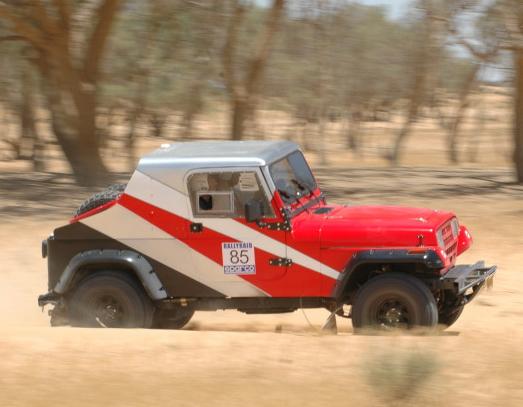
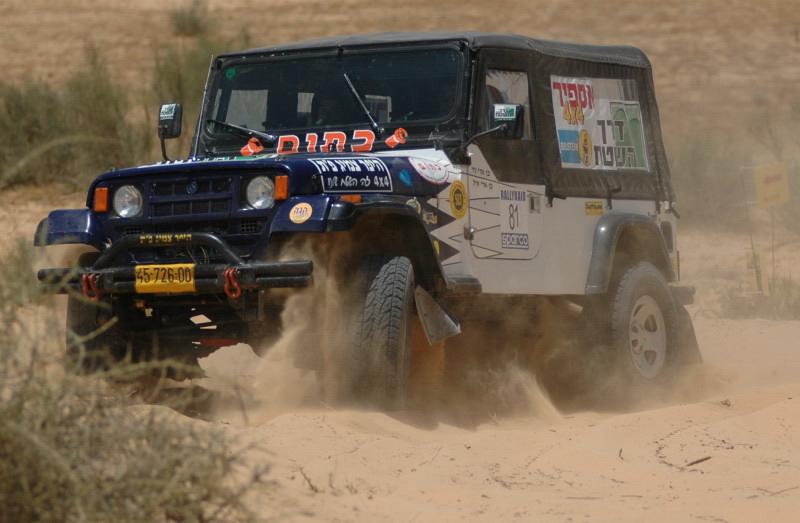
ניר בן-ארי הוא זקן נהגי הראלי-רייד הפעילים בישראל. בוגר מרוצי הראלי-קרוס באשקלון בשנות ה80, ניר הוא אגדה חיה בקנה מידה ישראלי. הוא חזר להתחרות לפני כשלוש שנים, בתקציב מוגבל מראש ומתוך כוונה ליהנות ולשתף את בניו ומשפחתו בתחביב, ובחר באופן טבעי בפלטפורמה שנראתה בעיניו המנוסות כמשתלמת ביותר לבניית רכב מרוץ עממי – ג'יפ סופה. פורמולה סופה היא קטגוריה במרוצי ראלי-רייד (מרוצי ג'יפים בשטח פתוח) לג'יפים סטנדרטיים וזהים במבנה המכאני. זהו כרטיס הכניסה הזול ביותר לעולם מרוצי השטח. זו הדרך הנכונה לנהגים מתחילים להוכיח מה הם שווים, לצבור שם ומוניטין שיאפשרו להם לגייס ספונסרים ולהשתדרג לקטגוריות מהירות ויקרות הרבה יותר. מאפייני פורמולה סופה: להמשך הכתבה, שפורסמה באתר JEEPOLOG ותודה לנמרוד על שאיפשר לנו להשתמש בחומרים מהאתר שלו - http://www.jeepolog.com/484.html דובי
-
He was running where he needed to be, too, when his left-rear tyre exploded, and Williams then brought Piquet in for a precautionary change - leaving Prost, who had suffered a puncture and driven flat-out thereafter, to win both race and championship. When he took the flag, Alain's fuel tank was about dry. Mansell's championship would come, finally, in 1992, when he drove the 'active-suspension' Williams-Renault FW14B, perhaps the most superior F1 car ever built. But the two races of Nigel's which most stay with me - for very different reasons - are Silverstone in '87 and Montreal '91. In the first he was astounding, at his fearless best, as he chased down team-mate Piquet in the closing laps, having made an unscheduled stop. Down to Stowe he feinted left, then darted right and into the lead. A quite fantastic move, a masterpiece of freestyle motor racing. At Montreal Mansell should have won too - had he not begun to wave to the crowds a lap too soon. When the revs dropped too low, the engine died - with less than a mile to the flag. It was perhaps the silliest reason to lose a grand prix in the history of the sport. The late '80s and early '90s were, of course, dominated by the rivalry - if one may use so pale a word in this context - between Prost and Senna. Team-mates at McLaren in 1988 and '89, they were a class above the rest and took a championship apiece, but there was no reason for the feud to become as bitter as it did - save that Ayrton set his sights squarely on Alain, then perceived as the best, and was ready to do whatever it took to displace him. Let me say at once that Senna was quicker, of that there is no need of discussion. However, I thought Prost - as a complete racing driver - the better of the two, and emphatically the more balanced. When Alain went to pass his rival on the pit straight at Estoril in 1988, Ayrton - at 190mph - swerved at him, putting him precariously close to the pit wall. Prost went on to win, but afterwards admitted to being shaken by what Senna had done: "I knew how much he wanted the championship, but it wasn't until today that I realised he was prepared to die for it." We were shaken too. Moves of that kind may be commonplace now, but 20 years ago they were regarded as underhand, even lunatic. As the sport has become incomparably safer, so its ethics have gone down the pan. Three years running, we went to Suzuka to see the championship decided between these two. On the first occasion Senna won, fair and square, but in '89 he was behind Prost and eventually tried a desperate move at the chicane, which relied - for success - on Alain's giving him room, which he declined to do. The cars touched, and although, on the road, Senna won, he was subsequently disqualified. This made him pathologically angry, and in 1990 he sought retribution, spearing into Prost's Ferrari at the first corner, at perhaps 150mph. With 24 cars behind them, it was a criminally irresponsible way of making a point - Prost's sheared-off rear wing could have come down anywhere - and for me remains the most reprehensible single action by a racing driver in the annals of the sport. When, in Adelaide a fortnight later, Senna was shown a photograph of himself driving into Prost, his response was... instructive. "That's a lie!" he said. He was such a strange man. Kind, fundamentally, even gentle, yet capable - in extremis - of actions that bordered on madness. If ever a racing driver were incapable of compromise, it was Ayrton Senna, and of course that's what killed him. Once Prost had retired, Senna was different again. Now that the nemesis was no longer a threat, there was no reason he should not be a friend. That is how concentrated Ayrton was. In the last weeks of his life, he spoke to Alain often on the 'phone, invariably - ironically - about matters of safety. By now he had a new worry, of course. At Spa, in 1991, one Michael Schumacher had appeared, having what was to prove a one-off drive for Jordan. F1 recognises paydirt when it sees it, and by the next race the wunderkind was at Benetton, signed and sealed. Precisely one year after his debut he won at Spa, and history's most successful grand prix career was on its way. "It would have been magic, just magic," sighed Bernie Ecclestone, when considering what a Senna-Schumacher rivalry might have done for the sport, but sadly it ended almost before it had begun. At Imola, in 1994, Michael won, and Ayrton died. When I think back now to that spring weekend, it is of course with melancholy, but also some bewilderment, for it was as if normality had been suspended, as if it were suddenly impossible to crash a racing car without hurt. In qualifying, on Saturday, Roland Ratzenberger became the first driver to lose his life at a grand prix for a dozen years, and the second followed only a day later. The reason for Senna's accident became a cause celebre, with all manner of theory put forward. My own belief has always been that Ayrton, in a Williams FW16 still far from honed, simply went into Tamburello at a speed, and on a line, which the car, for whatever reason, could not sustain. At this, the third race of the season, he was without a point, and driving out of his skin to stay ahead of Schumacher's faster Benetton. Senna's accident changed the face of grand prix racing forever. Since 1994 the emphasis - not surprisingly - has been overwhelmingly on safety and, as Professor Watkins has said, that has meant the inevitable loss of much of the panache with which the sport was synonymous. When we went back to Imola a year later, Tamburello had been completely reworked and, as the Prof smilingly pointed out, Ayrton himself would have hated it! After May Day 1994 the Schumacher era began, Michael ultimately achieving a level of domination, in his Ferrari years, which not even Senna could have envisaged. Seven world championships... two more even than Fangio. Through most of his time at the top, only Mika Hakkinen was a true rival. In the course of his 15 years in F1, Schumacher quite often behaved ruthlessly, and sometimes - as when he took out Damon Hill at Adelaide in 1994, and tried to do the same to Jacques Villeneuve at Jerez in '97 - despicably. As with Senna, his legacy is by no means entirely positive. And yet, if I want to recall a race of Michael's, it is not one of those in which he fought the good - or bad - fight, when he banged wheels, and got into angry post-race exchanges. It is not even his last grand prix, when he drove sublimely after an early puncture, and left in our minds, as a final calling card, a perfect pass of Kimi Raikkonen, the man due to succeed him at Ferrari. No, I think of the Belgian Grand Prix in 2002, of a day as perfect as a man may have in a grand prix car. In a season of Ferrari domination, Schumacher had recently 'allowed' Rubens Barrichello to win in Hungary, but this was special, this was Spa, his favourite place. What Michael gave us that afternoon was F1 distilled to its essence. He wasn't racing anyone - that wasn't necessary. He was simply out for the afternoon, revelling in his art. It should have been boring, like so many other races that season, but it wasn't. It was the best driver on earth, at the best circuit, and the symmetry was perfection - something at which Lewis Hamilton, better as a rookie than any of them, can aim in the years to come.
-
It couldn't be long, in other words, before his fortunes changed, but when we got to Las Vegas, the last race, he still narrowly led Piquet on points, and took a stunning pole position. Given that it was hot as hell, and that Nelson was hardly of Olympian fitness, Carlos's championship looked a foregone conclusion - yet after one lap he was back in fifth, and by the end eighth, lapped. It remains the most inexplicable collapse I have seen, a day of acute private tragedy for a great driver. Piquet, meantime, finished fifth, semi-comatose. He had to be lifted from his car, and it was some time before he was able to walk to the podium. At the informal press conference, he slumped in a chair, barely able to speak - but world champion nonetheless. This was Jones's last race, and he won with ease. Beforehand I had asked him who he wished to win the title, Reutemann or Piquet. "Couldn't care less," he laughed. "Can't stand either of them." Jones and Villeneuve, by contrast, constituted something of a mutual admiration society, but now the one was gone, and the other, tragically, would shortly follow. I have written many times of the events leading up to Gilles's death, of Didier Pironi's duplicity towards his team-mate at Imola, of the accident in qualifying at Zolder two weeks later, of my long conversation with Villeneuve between times, in which he declared he would never speak to Pironi again. In my early days in the business, my colleague Eoin Young told me that I would become good friends with a racing driver, that he would be killed, that thereafter I would never feel quite the same about racing again. Happened to everyone, he said. In his case it had been Bruce McLaren. That Saturday at Zolder remains the worst day at a race track I have known. A month on we were in Canada, at the circuit newly renamed for the country's fallen hero, and Pironi took pole position, afterwards dedicating it to Gilles: "Because we all know that if he'd been here, he would be on pole." I was listening, on the PA, with Keke Rosberg, whose response was succinct: "If it wasn't for him, Gilles would be here." Following Villeneuve's death, his close buddy Patrick Tambay was drafted in to drive number 27, and he won at Hockenheim, bringing tears to the eyes of Enzo Ferrari. The day before, unsighted by spray, Pironi had crashed hideously, suffering leg injuries which would end his career. "Addio mondiale," said a sad old man, watching on TV in his farmhouse at Fiorano. Goodbye, world championship. The following season Tambay took his only other win, and what made it unforgettable was that it came at Imola, where Villeneuve had been deceived a year earlier. Patrick was emotional afterwards, but defiant too. When I shook his hand, his grip was like steel. Justice, he whispered, had been done. It was in 1984 that we greeted one destined to reach mythological status in F1. At Kyalami I saw Ayrton Senna in a grand prix car for the first time - and it didn't, in all truth, make much of an impression. Granted, his Toleman-Hart was not the quickest car, but he qualified only 13th, and finished sixth, two laps down. What I remember most, quite honestly, was that this supposed phenomenon wasn't fit enough: at the end of the race he had to be helped from the car. Before long, though, we were taking the mysterious newcomer - Ayrton always had an unearthly quality - very seriously. In Monaco it rained, and at this, a circuit where mistakes are punished, he was brilliant. After Nigel Mansell had slung the race away, Prost's McLaren led, but Senna was on his tail when race director Jacky Ickx concluded that it was too dangerous to continue, and put out the red flag. One might have expected a rookie to be elated at being runner-up in only his sixth race, but Senna was incensed - much as would be the case at Monaco, 23 years later, with L Hamilton. The following season we had another ultra-wet race, at Estoril, and by now Ayrton had moved to Lotus. On a day when Piquet at one point stopped and changed into dry overalls, Senna annihilated his rivals, lapping all save Alboreto. As soon as he was past the flag, he undid his belts, half out of the car in his jubilation, but later he was curiously matter-of-fact, as if this were merely the first of many victories. Which it was, of course. Until Senna moved to McLaren in 1988, though, it was Prost who remained king of the hill, and no one ever made winning seem so simple, so undramatic. Take his weekend in Monaco in 1986: pole position by half a second, victory by half a minute. At no point did Alain seem to be hurrying - you felt you could have done it yourself. The best grand prix I have ever seen was in Adelaide that year, when for once a championship decider more than lived up to its promise. Mansell, Piquet and Prost were all in contention, but the two Williams-Hondas had a decided power advantage over Alain's McLaren-TAG, and Nigel - who needed only to finish third - was the heavy favourite.
-
Over the Monza weekend I spent a lot of time at Lotus, in what passed for a motorhome in those days. Although the atmosphere was outwardly calm, there was a certain tension - perhaps not surprising, since these were the only drivers who could take the title. Much later, at an Interlagos test just before Christmas, I mentioned it to Andretti. "At Monza," he said, "Ronnie was more uptight than I'd ever seen him. He and I really used to level with each other, but that weekend we hardly said a word, never shook hands before the race, which we'd always done before. Exactly what was happening there, I don't know. It was nothing bad, just something of the moment, but it bothered me at the time. Just like there was something in the air..." Within seconds of the start, there was a ghastly multiple accident, in which Peterson suffered severe leg injuries. That being so, Andretti was confirmed as world champion, but that evening in the motorhome the atmosphere was subdued, the champagne unopened. Then there came a call from Professor Sid Watkins at the Niguarda Hospital in Milan and, after Mario had hung up, his mood was transformed: "Ronnie's legs are pretty bad, but they can be fixed - and his vital signs are good. He's going to be okay!" The Moet et Chandon was duly uncorked. Next morning I got an early flight back to Heathrow, and was waiting at the luggage carousel when Colin Dryden, of The Daily Telegraph, arrived, having just spoken to his office. "Ronnie's died," he said. At about the same moment, Andretti, arriving at the hospital, was met by Emerson Fittipaldi. And Mario, facing a barrage of TV interviewers, inimitably summed up the conflict everyone felt about the sport in those days: "Unhappily, motor racing is also this." Peterson had been a hero across the world, not least to Michele Alboreto, whose blue-and-yellow helmet was in homage to Ronnie, among the fastest drivers of all time. Villeneuve, another Peterson fan, now took over his mantle as the fastest - and most spectacular - driver in F1. In 1979 he narrowly lost the championship to his more measured team-mate, Jody Scheckter, but Ferrari always looked to Gilles to take the battle to Williams, whose FW07 was the fastest car of the season. There were so many memorable days that summer, and most of them seemed to involve Villeneuve - the bare- knuckle fight with Rene Arnoux at Dijon, which has gone into racing legend, the fastest ever three-wheeled lap at Zandvoort, the getaway at the Osterreichring, where he started on row three, yet led as they went away up the hill. More than anything, though, I remember the North American races, run in the autumn. At Montreal Gilles fought a race-long battle with Alan Jones's Williams, which ended in narrow defeat, but the following weekend he won superbly at Watkins Glen. It was in first qualifying at the Glen, though, that he laid down the most abiding memory. In monsoon conditions, he ran a lap almost eleven seconds faster than the next man, Scheckter. I was watching with Jacques Laffite who, like many of his fellows, had declined to go out at all. "Look at him," he said, as Gilles skittered by. "He's different from the rest of us - on a separate level." And so he was. It was in '79, too, that Williams first won a grand prix, and appropriately the venue was quintessentially English Silverstone. Jones led until he retired, at which point Clay Regazzoni took over. For Clay, this was an Indian Summer but, if he savoured his first win in three years, it was FW's joy which meant more to him. "Bravo, Frank," he said quietly, as they shook hands. There was no champagne on the podium, in respect for the team's Saudi sponsors, but later a tumbler of whisky and a cigar were thrust in Frank's direction, and the lifelong non-smoking teetotaller bravely toyed with both as he smiled, dazed, for the photographers. The following year Williams won the constructors' title, while Jones deservedly became world champion, but in 1981 it was his team-mate, Carlos Reutemann, who looked set to do it. Such a strange one, Reutemann: blessed with freakish talent, he had incredible flair in a racing car, but was plagued by insecurities. For Carlos, the glass was always half-empty. At Silverstone, where he held a 14-point lead, I said that not even he could deny that things were going well. "Too well," he grimaced. "Too well..."
-
Brambilla at Monaco in '77, for example. The late Vittorio was never the steadiest of drivers, and in that race had a wild battle with Laffite, resolved in Jacques's favour when Brambilla made a series of 'unforced errors'. "Problems with the car?" I asked. Vittorio's English was limited, but he got the message across: "Could not fucking see!" Then he showed me his new balaclava, of a type fashionable at the time, with separate eye-holes. It was plainly too big for him, and he conveyed that it had been moving around under his helmet, so that only occasionally were the eye-holes where he needed them to be. Made it difficult, he said, driving round Monaco like that. I said I could see how it might. When I told Laffite, he nearly fainted. That summer the Lotus was the quickest, if not the most reliable, car, and Andretti cleverly hoodwinked everyone by talking about 'locked diffs' and 'corner weighting', with which he - alone - had become familiar at Indianapolis, and was now applying to F1. We did wonder, however, why the bottom of the bodywork had long rows of small brushes attached, and eventually the message got through that they helped form a rudimentary seal with the ground. We were seeing the beginning of 'ground effect', which sucked the car down, and made for phenomenal grip. Hence one of Mario's great phrases, which meant nothing - and everything. How was the car? "Man, like it's painted on the road." Perhaps the most memorable weekend of my first year with Autosport was Silverstone, where Renault raced its revolutionary turbocharged car for the first time - and where Gilles Villeneuve, who would become a friend, made his startling F1 debut for McLaren. It was a little different from Lewis Hamilton's entry to the top level. Straight from Formula Atlantic in Canada, Villeneuve flew to England, where he had minimal time to acclimatise to a car vastly quicker than anything he had driven before, and to a circuit he had never seen. There were so many entries for the British Grand Prix 30 years ago that a day was set aside for pre-qualifying, and it featured 14 drivers, one of whom was Gilles. I lost count of the number of times he spun - but he never hit anything, and was conclusively quicker than anyone else. "I had a lot to learn," he said, "and no time! So I went faster and faster until the car let go - then I knew how much was too fast." In the race, his old M23 set the fifth fastest lap, and we marked this little guy down as something special. Unfathomably, McLaren declined to sign him for '78, whereupon Enzo Ferrari acted on a hunch, and the foundations of legend were laid. You got fine quotes in that era. At Zandvoort Andretti went to pass Hunt on the outside of the long Tarzan hairpin, and at the exit was rudely chopped. Both were out on the spot, and I asked Mario for his thoughts. "James Hunt - he's champion of the world, right? Problem is, he thinks he's the king of the goddam world! He says to me, 'We don't overtake on the outside in Formula 1'. Well, I got news for him..." The following year, with Ronnie Peterson as his team mate, and Colin Chapman's sublime Lotus 79 with which to work, Andretti duly won the world championship - at the same time competing in all rounds of the (Indycar) USAC Championship which did not clash. Sounds incredible now, but that's what he did. By the time of Monza, Andretti's only mathematical rival was Peterson, but when Ronnie was taken back into the Lotus fold, he accepted Chapman's condition that '78 was to be Mario's year, that it was a championship he had earned. In the course of that season the two men became close friends, Peterson - by his own admission the world's worst test driver - acknowledging that the 79 would not have been the car it was without Andretti's expertise. Ronnie had reignited his career, and was in demand again. At Zandvoort he told me he had signed a McLaren contract for 1979, whereupon another driver suggested that now Ronnie was leaving Lotus, he could forget any obligations and simply go for the championship. "I gave my word," he said simply, and that shut the oaf up.
-
After 31 years - and roughly 230,000 cigarettes - Autosport Grand Prix editor NIGEL ROEBUCK is bowing out. Here, he looks back on his time at the magazine More than anything, it's the row of Autocourses that gets across to me just how long I have worked for this magazine: the last 31 of them cover that period of my life. I joined Autosport the very week - in September 1976 - that Niki Lauda made his comeback at Monza, 40 days after being given the Last Rites. And logically I suppose I should begin there. I had been at the Nurburgring when Lauda crashed, knew he was unlikely to survive the night, and drove back, anticipating the worst. Next morning, though, the news was that he was still fighting for his life, and five weeks later came the rumour - barely credible - that he might drive at Monza the following Sunday. And so he did, finishing fourth. Afterwards I was in the Ferrari pit, watching in silence as he gingerly peeled his balaclava from the still-fresh wounds. Time was when black humour abounded in motor racing, a necessary device, perhaps, to cope with an environment that could be frequently grim. And when it comes to black humour, N Lauda has ever been the master practitioner. When he crashed at Bergwerk, on the second lap, the race was red-flagged, but eventually it was decided to start again, to have a whole new grand prix. "So the first race," someone said to Lauda years later, "never happened." "Well, if it never happened," Niki retorted, "what happened to my fucking ear?" It was some time before medical help reached him that day - Chris Amon remembers going with Hans Stuck to find a field telephone so as to sound the alarm - and the accident brought an end to Formula 1 at the Nordschleife. A year on, the German Grand Prix had a new, rather less distinguished home, and John Watson summed up the feelings of many of his colleagues. "I'd rather race at the Nurburgring," he said, "but I'd rather survive at Hockenheim." Lauda won the race, and went on to clinch his second world championship. That year, 1977, was the first in which I covered F1 for Autosport. Budgets being tight ('twas ever thus), it was decided by a suit somewhere that, for the time being, I should attend only the European events. My first report, therefore, was from Jarama, on the outskirts of Madrid, where Mario Andretti's Lotus 78 dominated. It goes without saying that F1, while conspicuously more perilous, was also more laidback in those days. There would be a room set aside in which the journalists could type, but few had TVs, and there were no press conferences or releases. Conversely, you could wander freely around the pits, unhindered by security goons, and the drivers were much more accessible - and free to speak their minds. This came back to me in the summer past, when a press release reassured us all that Lewis Hamilton had not used the F-word in the course of his radio exchanges with Ron Dennis in Hungary. Those of a less gentile mien have used it with enthusiasm for generations, as countless of my tapes confirm.
-
כמו שבטוח שמתם לב, ואני מקווה שגם קראתם בעניין, במהלך השנה האחרונה פירסמתי פה בפורום כמעט מדי שבוע מאמרים כאלו ואחרים פרי עטו ומקלדתו של נייג'ל ראבאק מ"אוטוספורט" , בדרך כלל היו אלה תשובות שכתב בתגובה לשאלות שנשאל לדעתו האישית בנושאי ספורט מוטורי עם דגש על פורמולה-1. נייג'ל ראבאק היה בשבילי לפחות הרבה יותר מסתם עוד אחד שכותב על מרוצי מכוניות, הוא היה הסיבה שבגללה קראתי "אוטוספורט" . "לכבוד" השנה החדשה הוא הודיע על פרישה מכתיבה במגזין ומעבר לתפקיד עורך של מגזין לא פחות מכובד בשם "מוטורספורט" שעניינו הוא יותר היסטוריה (עכשיו אתם בטח שואלים אם עשיתי מנוי גם לזה...). לרגל פרישתו הוא פירסם טור אחרון שכמעט מתמצת את כל התקופה מאז החל לכתוב ועד היום. מאד מעניין לקרוא ולשמוע ממישהו שהכיר את כולם באופן אישי, חויות ממקום שמריחים בו את השמן השרוף ואת הגומי מהצמיגים, כמו גם את הזיעה של הנהגים. תהנו דובי
-
העניינים מתחממים בפורמולה-1 ומיד אחרי הסילבסטר, כשהיין ייצא מהראש יחלו ההשקות של המכוניות החדשות, שכזכור יהיו שונות גם מבחינה טכנית, אבל על זה נדון בפעם אחרת. תאריכי ההשקות :- ב-6 בינואר - פרארי- ראשונים כיאה לאלופים הגאים . 7 בינואר - מקלארן-מרצדס - בהרכב חדש. 10 בינואר - טויוטה 14 בינואר - BMW 16 בינואר - רד-בול 29 בינואר - הונדה 31 בינואר - רנו - עם פרננדו אלונסו ששב הביתה. טורו-רוסו, וויליאמס, סופר-אגורי ופורס-אינדיה טרם פירסמו תאריך מדוייק ויתכן שיעשו את ההשקה בין התאריכים שכבר קיימים. צפו לאקשן. דובי
-
חברים כדאי לקרוא ולפרגן - http://www.ynet.co.il/home/0,7340,L-2422,00.html דובי
-
נכון, טעיתי. ב-10 לינואר אני רץ את מרתון טבריה...!!! דובי
-
בוקר טוב מכיוון שאני לא ממש זוכר אם העלינו את זה פה בעבר ואין לי כוח לחפש הנה לוח הזמנים לעונה המתקרבת ב-WRC. 1)מונטה-קרלו - 24-27/1 2)שבדיה - 8-10/2 3)מקסיקו - 28/2-2/3 4)ארגנטינה - 27-30/3 5)ירדן - 24-27/4 - מישהו נוסע ? 6)איטליה - 16-18/5 7)אקרופוליס - 29/5-1/6 טורקיה - 13-15/6 - מישהו ? 9)פינלנד - 31/7-3/8 10)גרמניה - 15-17/8 11)ניו זילנד - 28-31/8 12)ספרד - 2-5/10 13)קורסיקה - 12-15/10 14)יפאן - 24-26/10 15)בריטניה - 28-30/11 דובי
-
ב-10 לינואר יערך סיבוב מס'-2 ב-WINTER MDC והשרשור הזה נועד לכך . דובי
-
חברים עולם "הראלי הישראלי" כמרקחה בתקופה האחרונה וכל זה למה ? הרי המלחמות ב-IRDA מתנהלות כבר שנתיים-שלוש וחלק מהגועך הגיע גם לפורום הזה, לקח זמן וגם אני חטאתי והתערבתי בתחילה ואחרי שהבנתי שטעיתי נסוגתי. CARSFORUM, למרות הרצון הטוב של כולכם לדעת מה קורה ב"מלחמות הראלי הישראלי" , לא יקח חלק ולא יתן במה לעניין הזה , גם באם זה כרוך בזה שאשתמש בכוח שניתן לי כמנהל הפורום לנעול שרשורים. אין לי אישית כמנהל הפורום הזה שום עניין לזה . למלחמות הללו אין שום קשר לספורט מוטורי אמיתי , הכל פוליטיקה וזהו. אז מצטער , וכל מי שחושב שהשתמשתי בכוח שניתן לי לא בחוכמה, זכותו לחשוב כך (והוא מוזמן להחליף אותי , המשכורת ממש טובה...) יום טוב דובי מילר
-
אלון מכיוון שאתה מגיב כחבר IRDA , אני מנצל את תפקידי כמנהל הפורום ונועל את הדיון המיותר הזה. אין שום צורך שבעולם להיכנס לכל העניין הזה שוב . דובי
-
ראלף לא יצא לשנת שבתון, הוא מזמן כבר לא בפורמולה-1... וקצת ברצינות לגביו. מאז שהגיע לטויוטה זה היה בזבוז זמן אחד גדול אבל הוא לא אשם שהם היו מוכנים לשלם לו סכומים כאלו של כסף. תמיד היו נהגים יותר טובים ממנו אלא שלו היו שני דברים שלאחרים אין - 1)- אח שקוראים לו מיכאל שומאכר 2)סוכן שקוראים לו וילי וובר ויודע לסדר חוזים טובים. נכון שרלף היה אלוף יפאן אי-שם מזמן, בפורמולה-ניפון (פורמולה 3000 יפאנית) אבל מאז שהגיע לפורמולה-1 הוא הצליח פה ושם לנצח או לתת תצוגת נהיגה טובה ולא יותר מזה. הוא לא יותר מעוד נהג בינוני שהגיע לטופ ושרד, ויש עוד הרבה דוגמאות כאלה. אף אחד לא יזיל דמעה אם הוא לא יחזור . יותר מפריע למשל הקריירה המבוזבזבת של ז'אק ווילנייב או חואן פבלו מונטויה. דובי
-
הקרקס המהיר בתבל, הפורמולה-1, מתחיל להתמרק ולהתכונן לעונת 2008. אז נכון שיש עוד 3 חודשים אבל הסימנים ממש כאן. חודש ינואר נמצא מעבר לפינת הבניין הקרוב אליכם וממש בתחילת החודש יחלו כמעט כל הקבוצות בהצגה הדרגתית של המכוניות שיובילו אותן לעונה הזו, שאנחנו מקווים שתהיה מעניינת, לפחות כמו העונה הקודמת, בעיקר על המסלול. פרארי, הקבוצה האלופה נשארה ללא שינוי בנהגים אבל השנה תהיה גם ללא ז'אן טוד, המנהל הכול- יכול שלה ואולי עם השפעה גוברת והולכת של מ.שומאכר, בעיקר העמדת נהג המבחן. המבחנים האחרונים שערך שומאכר בפרארי הוכיחו שלא רק שלא נס ליחו אלא שלרוב הוא היה גם המהיר מכולם. מקלארן-מרצדס עדיין תחת השנה הטראומתית שעברו על המסלול ומחוצה לו ולאחר השינויים בקנס ינסו לייצב מחדש את הקבוצה, הפעם תחת לואיס המילטון בעונתו השנייה בקבוצה. כולם בבריטניה מקווים כי השגריר המוביל שלהם בפורמולה-1 יהפך לסוג של נייג'ל מנסל לפחות ולא אחד כמו סטרלינג מוס שכבודו במקומו מונח, אבל ללא אליפויות. מוס עשה חלק נכבד תחת הסמל של מרצדס, אל תשכחו... בעונה הקרובה ישנם מספר שינויים בהם נעסוק בתקופה הקרובה אבל לפחות בזמן הקרוב נעסוק בהצגת המכוניות החדשות של הקבוצות. שבוע טוב דובי
-
חברים 1- אנחנו בפורום ספורט מוטורי. 2- הנושא מוצה וננעל. דובי